Reflections on the 1 Million BC 2026 Shoot
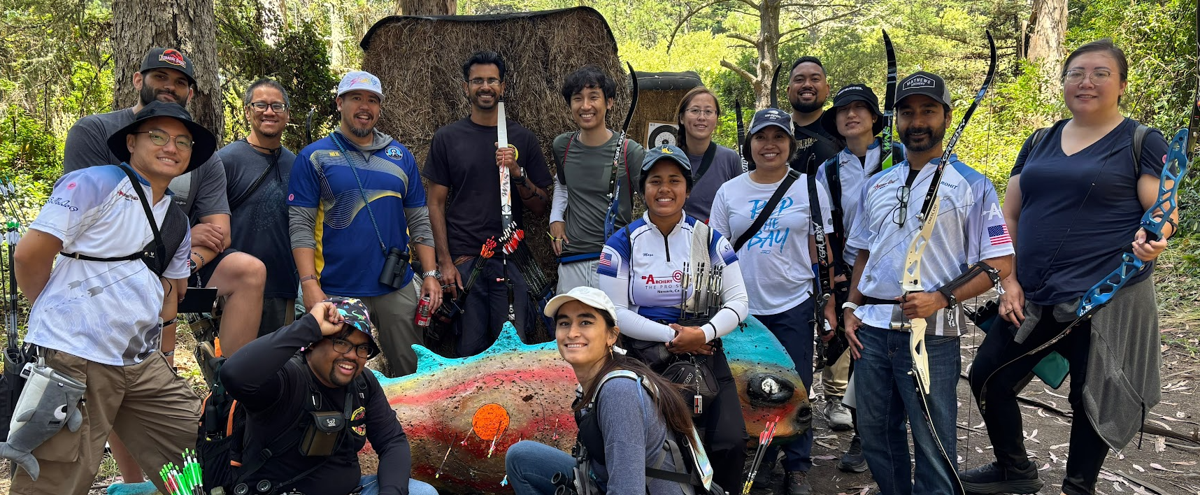
Last weekend marked my third time attending the annual 1 Million BC Shoot, and it was easily one of the most enjoyable runs yet. This year, I went with the Archery Only group, repping our team jerseys and shooting alongside a great squad of fellow Barebow archers. There is nothing quite like walking a 3D course with a solid crew—the shared energy, and camaraderie made the entire weekend a blast.
Beyond the fun, a two-day, 63-target 3D tournament is always a fantastic proving ground for gear, physical conditioning, and shot execution. Reflecting on my scorecard, my rig setup, and course logistics gave me a clear picture of what worked well and what needs attention before the next event.
Tournament Highlights
1. Course Structure, Sleep, and Morning Prep
The shoot spans two days across 63 targets, with about two-thirds of the course shot on Day 1 and the remaining third wrapped up on Day 2.
Waking up around 6:00 AM to get ready, drive out early, secure parking, and start on time is always a hurdle. This time, I didn’t get to sleep early enough before Day 1, which left me groggy on the range line. It took a long time to get fully warmed up and locked in, which definitely impacted my early ends.
- Takeaway: For future multi-day tournaments, getting a solid night’s sleep and arriving with enough buffer time for a dedicated physical warm-up on the practice range is crutial.
2. Gear & Technology on the Range
- Compact Binoculars: I brought a small pair of binoculars this time, but they were barely useful for resolving details for targets that were far away. I could have adjusted my shot if I had realized I missed the first one. Upgrading to a quality set of optics is high on my priority list before the next shoot.
- Archery String Walker Calculator: I put my custom String Walking app to work on the course to help calculate angles and crawl notches. It proved extremely helpful—and best of all, I didn’t lose a single arrow all weekend! However, a formula is only as good as its inputs. To make the calculations even more precise, I need to fine-tune my baseline shot parameters so the software model matches my actual arrow flight perfectly.
3. Scorecard Breakdown & Performance Insights
I finished 7th in my division this time around. While it’s a respectable finish, I know there is a lot more performance left on the table—especially considering I only managed a single day of practice leading up to the event!
Comparing my 2026 scorecard to my 2024 results highlighted a few clear trends:
- The 26–38 Yard Danger Zone: Data-wise, the medium-distance bracket (26 to 38 yards) is where I dropped the most points and missed the majority of my arrows (25 misses total across the weekend).
- Short-Range Baseline: Even on closer targets, my scoring took a slight hit compared to 2024, proving that relying purely on muscle memory without steady range time only gets you so far.
- Takeaway: To progress faster, I need to commit to a structured practice schedule. Focus #1 will be dialing in those 30+ yard shots where elevation drops and small estimation errors cost the most points.
4. Range Logistics: Ditching the Backpack
I carried a full backpack across the terrain this weekend. While it held my gear, taking it on and off at every target station was clumsy and physically draining over 63 targets.
- Takeaway: A full pack is overkill. For the next event, I’m switching to a streamlined belt/quiver pouch setup or a lightweight chest rig just big enough for water, a few quick snacks, and my string-walking reference tool.
Looking Ahead to the Bug Shoot
Despite the early wake-ups and performance lessons, the weekend was a total win. Carpooling with Neil and the rest of the crew, shooting with the Barebow group, and capping off the shoot with post-event boba made every bit of effort worth it.
I have a clear blueprint for what to optimize next: better pre-shoot sleep, a real warm-up routine, updated optics, a lighter gear load, and dedicated 30+ yard practice.
Next stop on the calendar: The Bug Shoot in October! 🎯🏹